Passive ventilation that recovers heat
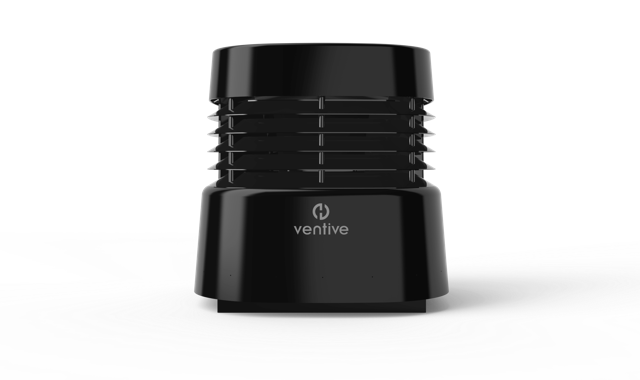
A single roof-mounted unit serving the room below. Wind and buoyancy drive the airflow, a heat exchanger recovers warmth from the air leaving the space, and onboard controls adapt to conditions. No fans.
Passive ventilation that recovers heat
A single roof-mounted unit serving the room below. Wind and buoyancy drive the airflow, a heat exchanger recovers warmth from the air leaving the space, and onboard controls adapt to conditions. No fans.
How Windhive works

What a specifier usually has to choose between
- Natural ventilation, where all the heat is lost
- Mechanical ventilation, with its cost, plant space and maintenance
- Natural ventilation with heat recovery that mixes stale air back into the room
- Opening windows, where all the heat is lost

What Windhive does instead
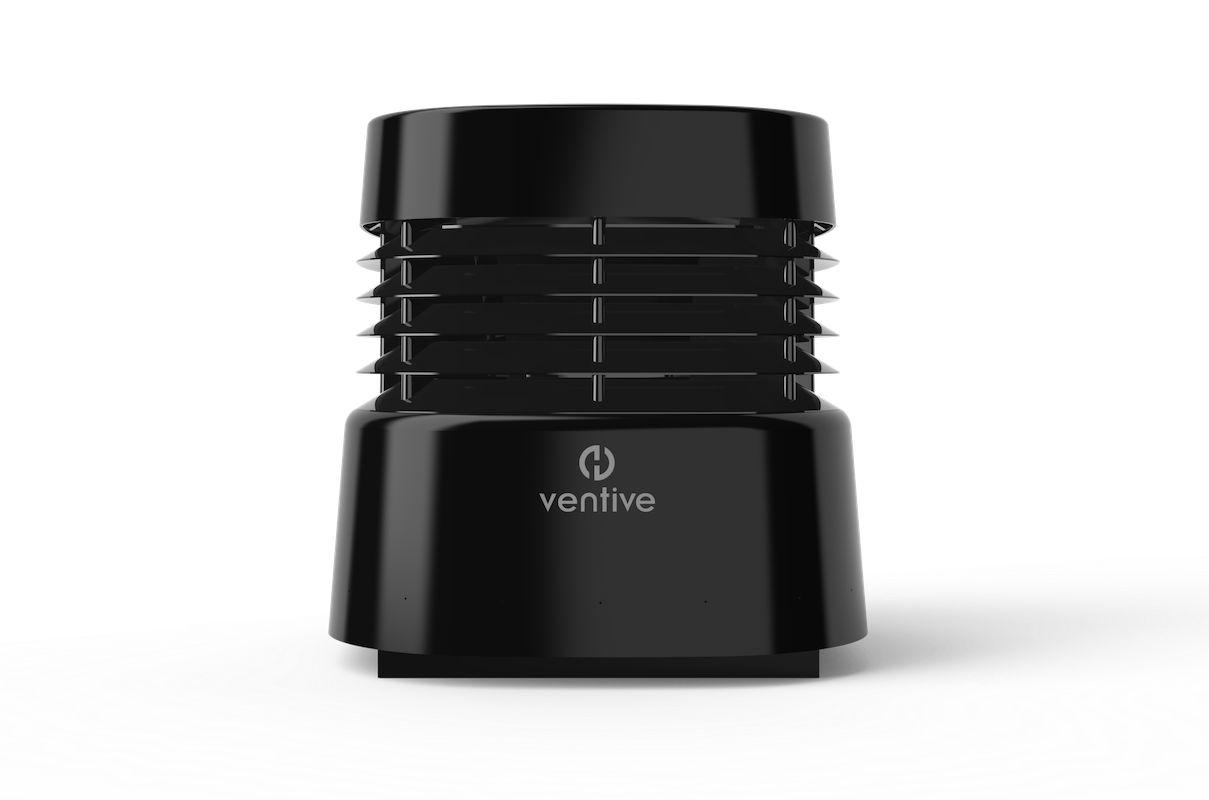
- Wind and buoyancy drive the air, so there are no fans
- A passive heat exchanger recovers warmth from the outgoing air
- Onboard sensors adapt to temperature and CO2 through the day
- Roof-mounted and room-served
- Cloud monitoring on every unit, with post-occupancy evaluation from commissioning and over-the-air updates to optimise each space
Performance
100%
Fresh air, no recirculation

up to 72%
Heat recovery

1,600
kWh saved per unit per year*
zero
Fans
*When modelled against typical natural ventilation strategies that do not have heat recovery
How we evidence our claims
Specifications get challenged at tender. Rather than ask you to take a number on trust, here is the basis of every performance figure we publish.
| Claim | Basis | Verified by |
|---|---|---|
| 100% fresh air, no recirculation | System design. Supply and extract paths are separated across the heat exchanger. | By design |
| Heat recovery up to 72% | Heat exchanger efficiency across a range of airflows and indoor to outdoor temperature differences. | Ventive performance data |
| Estimated 1,600 kWh saved per unit per year | Estimated saving against a baseline of natural ventilation without heat recovery. Not a comparison against MVHR. | Estimated from thermal modelling and monitoring data |
| No fans | System design. The only electrical load is the dampers, sensing and controls. | By design |
Backed by measured in-use performance from installed projects and by published research.
Specifying Windhive
Everything you need to design an efficient, high-performing and cost-effective project, in one place.

BIM objects
Revit families to BIM Object Standard, with the geometry and performance parameters your model needs.
CPD
A one-hour session on passive ventilation with heat recovery, and what the post-occupancy data shows. Delivered in your office or online.
Thermal modelling support
If you have a thermal model of the building in IES VE, send it to us. We’ll add Windhive to it and send it back so you can compare the results.

Installer support
Commissioning and installer training, so a contractor fitting Windhive for the first time is not carrying unfamiliar risk at tender stage.
Need the technical package for a live project?
Tell us the building and the stage you are at and we will send the technical information you need.
Where next
Passive-First
The design hierarchy, and the questions we get asked about going passive.
Sectors
How Windhive provides the ventilation solution for schools, sports halls and community buildings.